
Oct 7 54-40 Commodore Ballroom
by One Gun 64 on 2023-10-11Commodore Ballroom - Vancouver54-40 always put on a great show , I've seen them countless times , every show is great .
Add-Ons
Parking
Venue
Venue
Venue
54-40 in Concert
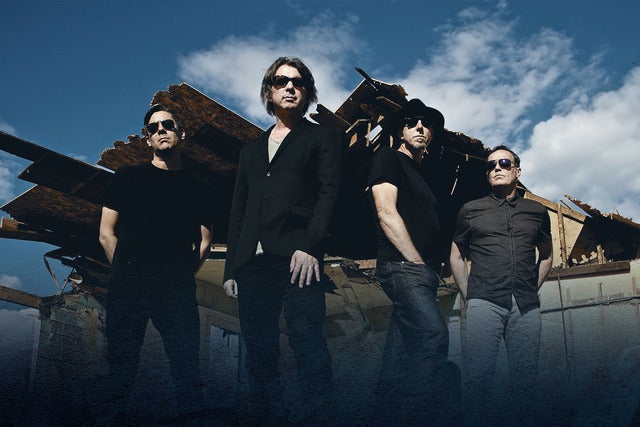
Vancouver's 54-40 keep exploring new permutations of their durable alt-rock sound 40 years on. In 2018, they released their first new album in seven years, the aptly titled Keep on Walking, which saw them effortlessly shift from nervy new wave ("Sublime Like Me") to clap-along folk hootenannies (the title track) to swaggering, soulful modern rock ("Sucker for Your Love"). They sound just as energized and adventurous as they did back in the 1980s. After recovering much of the rare gear stolen during their 2018 tour, 54-40 brave the road once again with a winter jaunt across Ontario, kicking off with a three-night residency at Toronto's legendary Horseshoe Tavern before moving to more off-the-beaten-path markets.
54-40 on Tour
Their very first gig may have been opening for hardcore heroes D.O.A. at legendary Vancouver dive Smilin' Buddha Cabaret, but 54-40 swiftly acquired a more chameleonic aesthetic that pushed them far beyond punk. On the string of college-radio-courting records they released in the mid '80s, the quartet (named for 19th-century president James K. Polk's call to expand into Canada, "Fifty-four Forty or Fight!") resembled a northern answer to R.E.M., exhibiting a similar fusion of brooding British post-punk and shimmering American folk-rock jangle. But frontman Neil Osborne's cool attitude gave way to winsome melody on breakthrough singles like "Baby Ran" and "I Go Blind" (which reached an even wider audience when Hootie & the Blowfish covered it in the ‘90s). As alternative rock skewed toward heavier sounds, 54-40 toughened up accordingly on 1992's Dear Dear, whose snarling singles "She La" and "Nice to Luv You" would give the band their first platinum record in Canada. They'd repeat the feat with 1994's Vancouver punk-scene tribute Smilin' Buddha Cabaret, which yielded the irresistible, grungy groove of "Ocean Pearl." With former Matthew Good Band guitarist Dave Genn replacing longtime member Phil Comparelli, the band have soldiered on into the 21st century, earning an induction into the Canadian Music Hall of Fame in 2017.
54-40 always put on a great show , I've seen them countless times , every show is great .
The 54-40 rock band had everyone smiling Oct 7 Saturday. Energetic, talented and very hard working musicians through out the entire show. Before singing Love You All, the message that Neil shared hit so good. “How can you love others if you don’t love yourself first?“ Thank you for a wonderful show! See you next year. , xo Lori Bishop
My wife and I have been 54-40 fans since university. We are now into our 50's and this concert we brought our daughter who is now in university herself. It was a great experience and the Commadore is always a great venue. We love it when the band comes up into the interior and I'm always referring 54-40 as "BC's House Band", and this weekend's show lived up to that billing.
Missed the annual 54-40 show the past couple years so it was fantastic getting to go again. They never disappoint - lively, fun, great crowd. Enjoyed the opening act, Terra Lightfoot, liked her voice, energy & music. Also, the Commodore Ballroom had some new carpet and upholstery, much appreciated refresh of the venue. Overall, a great time!
Great show - great energy and lots of audience participation
54-40 was amazing, as usual! They sound like we expect, they interact with the crowd, have great energy, and they show and share their love of music generously. That they appreciate one another was obvious. 54-40 really couldn't get any better. It was great how the staff were recognized, too. The staff were helpful, from keeping the flow of people outside moving, helping me access the tickets on my phone, smilingly serving drinks efficiently, manning the lights, equipment and musical instruments, and nipping any disturbances in the crowd in the bud in a low-key, coordinated way. I wish they had stocked more small women's baseball shirts. I wanted to buy one. I now know to go early in the night. I wonder if it's possible for the staff to hold cigarettes and vapes? Someone had smoked in the ladies' washroom and there were a couple of clouds going up during the live music; one was marijuana. The air quality was unfortunate at those times, but overall it was good. Terra Lightfoot was a great opening act! Well chosen. Thanks for the awesomeness!
I’ve been a fan of 54/40 for as long as I can remember but never saw them live until this last weekend. All I can say is “Wow”! They put on an incredible show! Love The Commodore and was super impressed with how great the venue is and the staff!!! I can’t wait to go to another show there!
The band was incredible. Played for 2.5 hours. Back up band were impressive.
Too bad, saw them a couple years ago & they were fantastic. Neil Osborne was completely wasted this time. They still sounded great but yeah nothing compared to last time.
Rocked it , 54/40 true rock and rollers, always the best and the sound was amazing